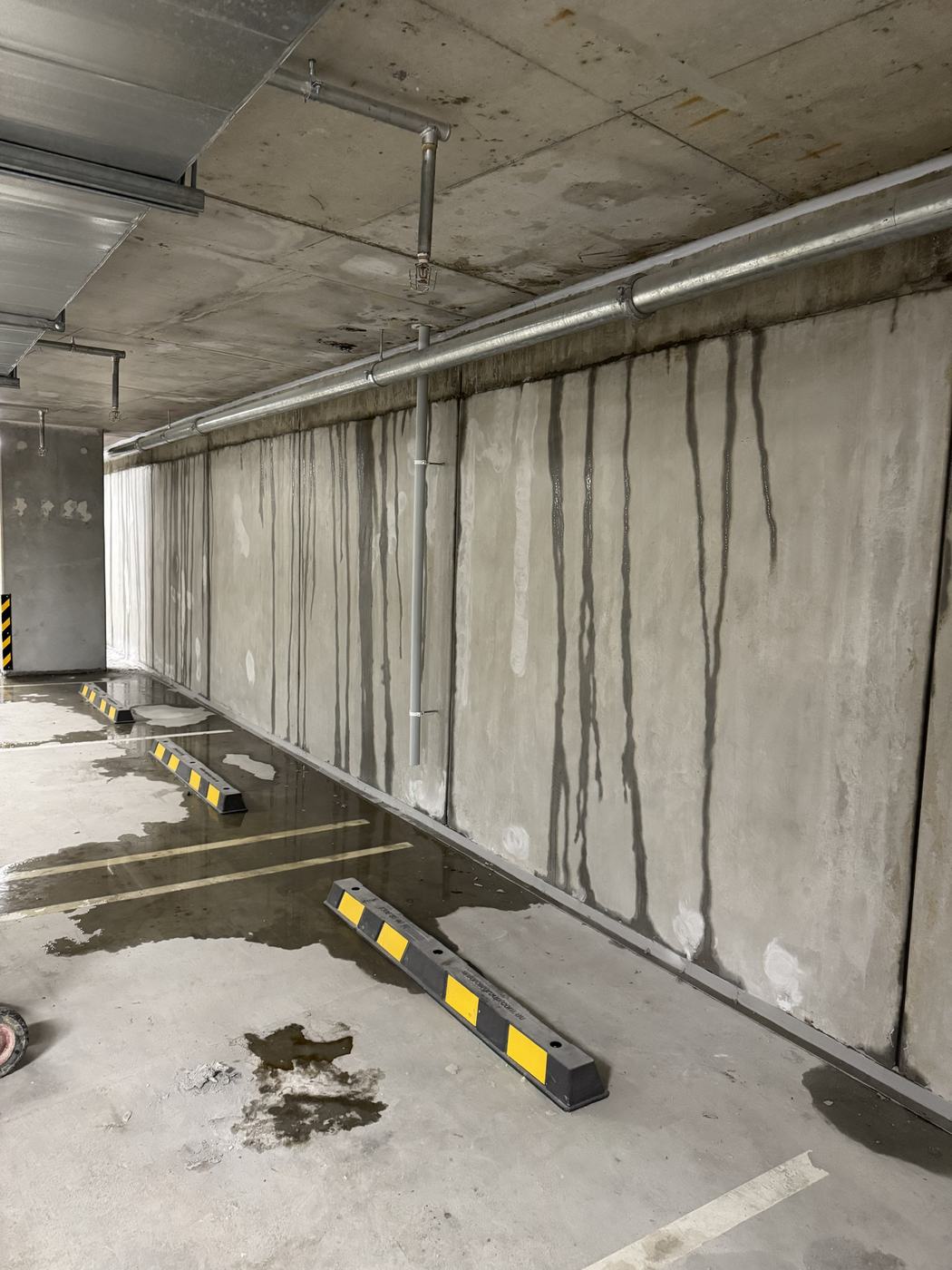
We stop water at the crack or construction joint by resin injection — working from inside, with no excavation and no damage to finished works. You get a written diagnosis, a method statement and a fixed price you can forward the same day.
Three details and we’ll call you. The site visit is free, and you get the written diagnosis whether you use us or not.
Or call 0449 997 094 · text us a photo of it
Negative-side injection. The resin goes into the crack, reacts with the water and seals the path it is travelling through — from the dry side, where the leak shows.
We find where the water is really entering, which is rarely where it appears. You get it in writing.
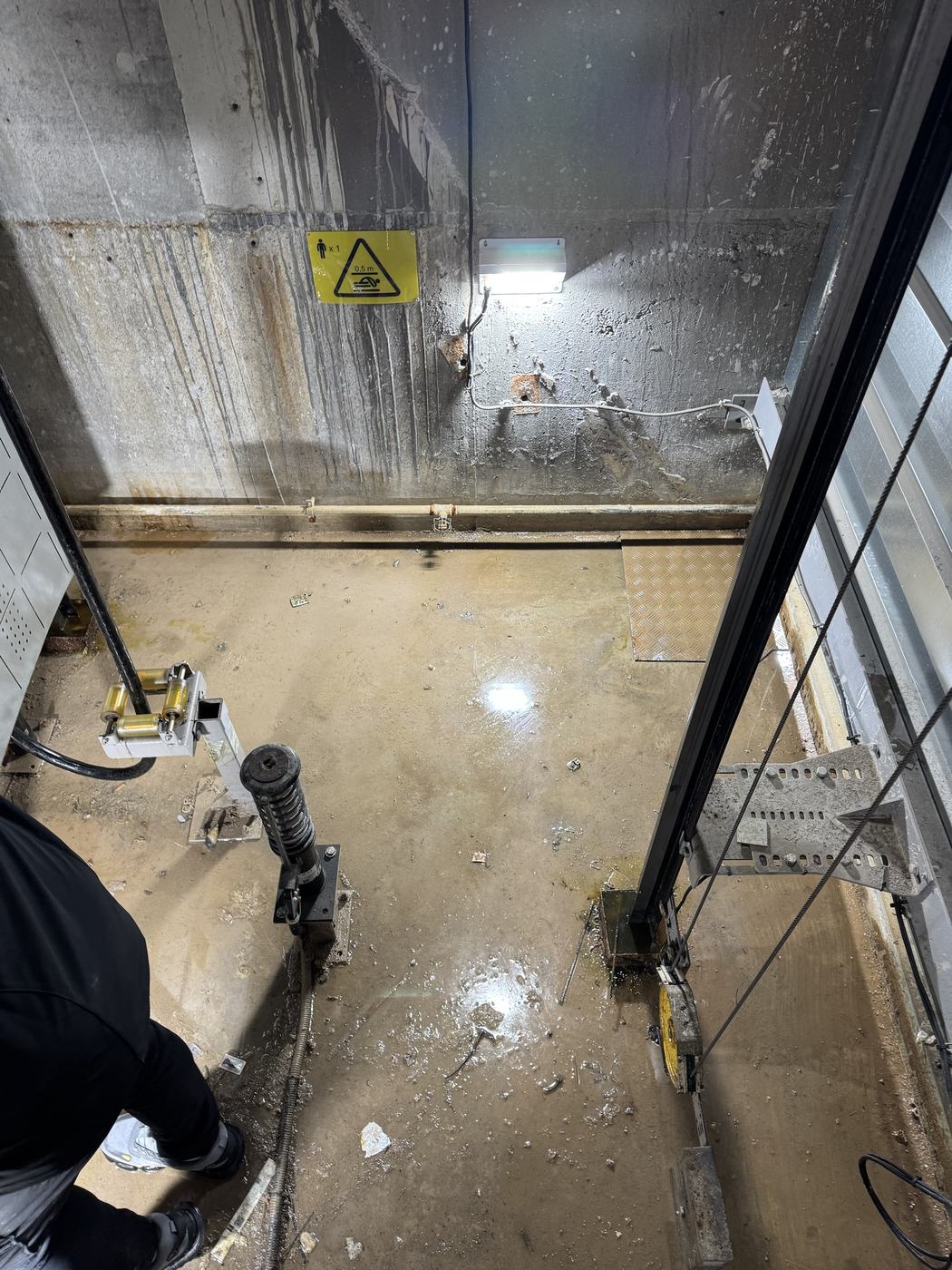
Packers into the crack or joint, resin under pressure, sealed through the full wall thickness.
Method statement, fixed price scope and a close-out pack a superintendent will sign off.
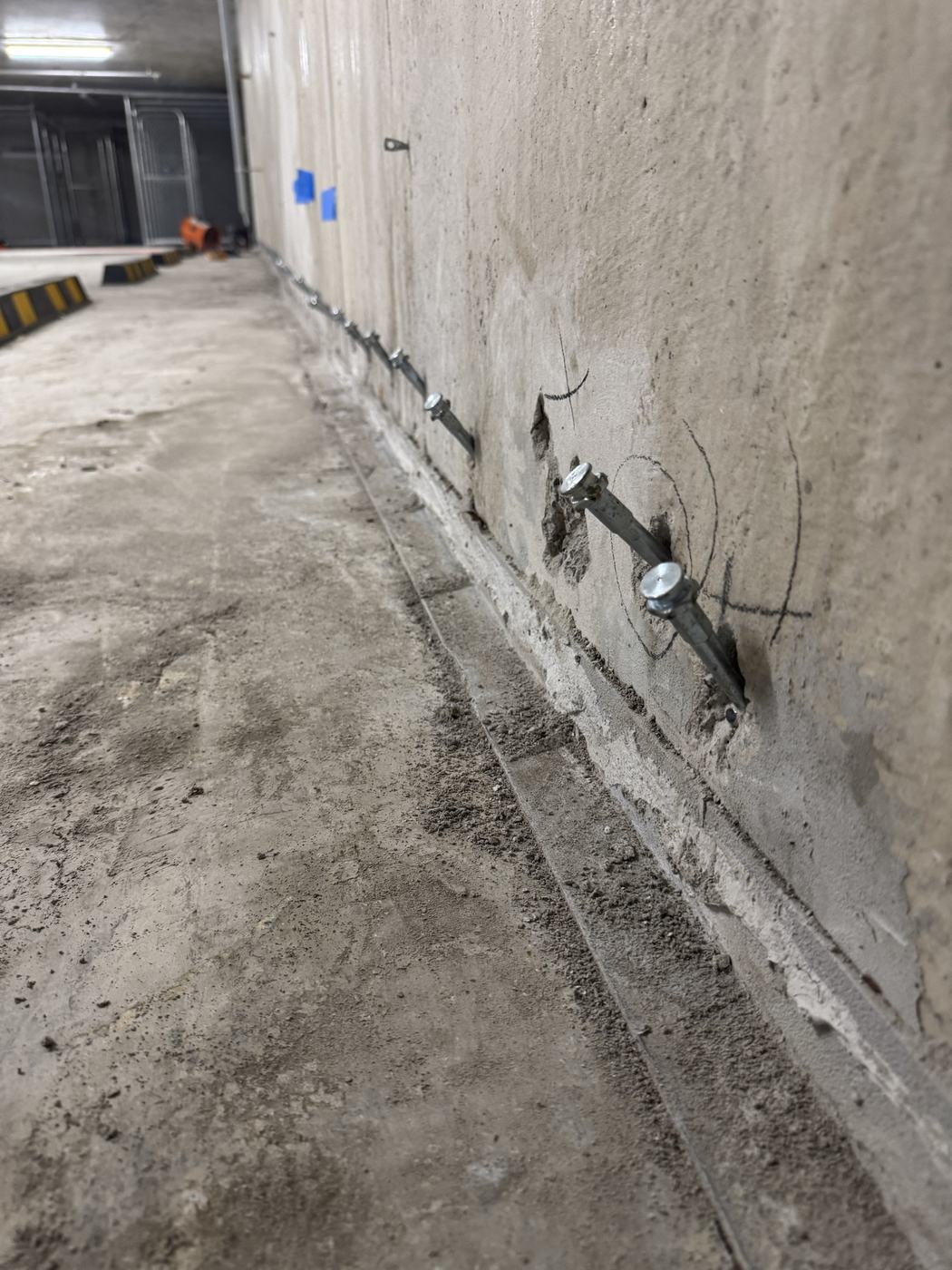
A heritage brick building with a live rail corridor on both sides. Groundwater was coming straight through the brickwork at the lower level — and with trains either side there is no external access, so tanking it from outside was never available. The honest answer was that this water could not be stopped. It had to be controlled.
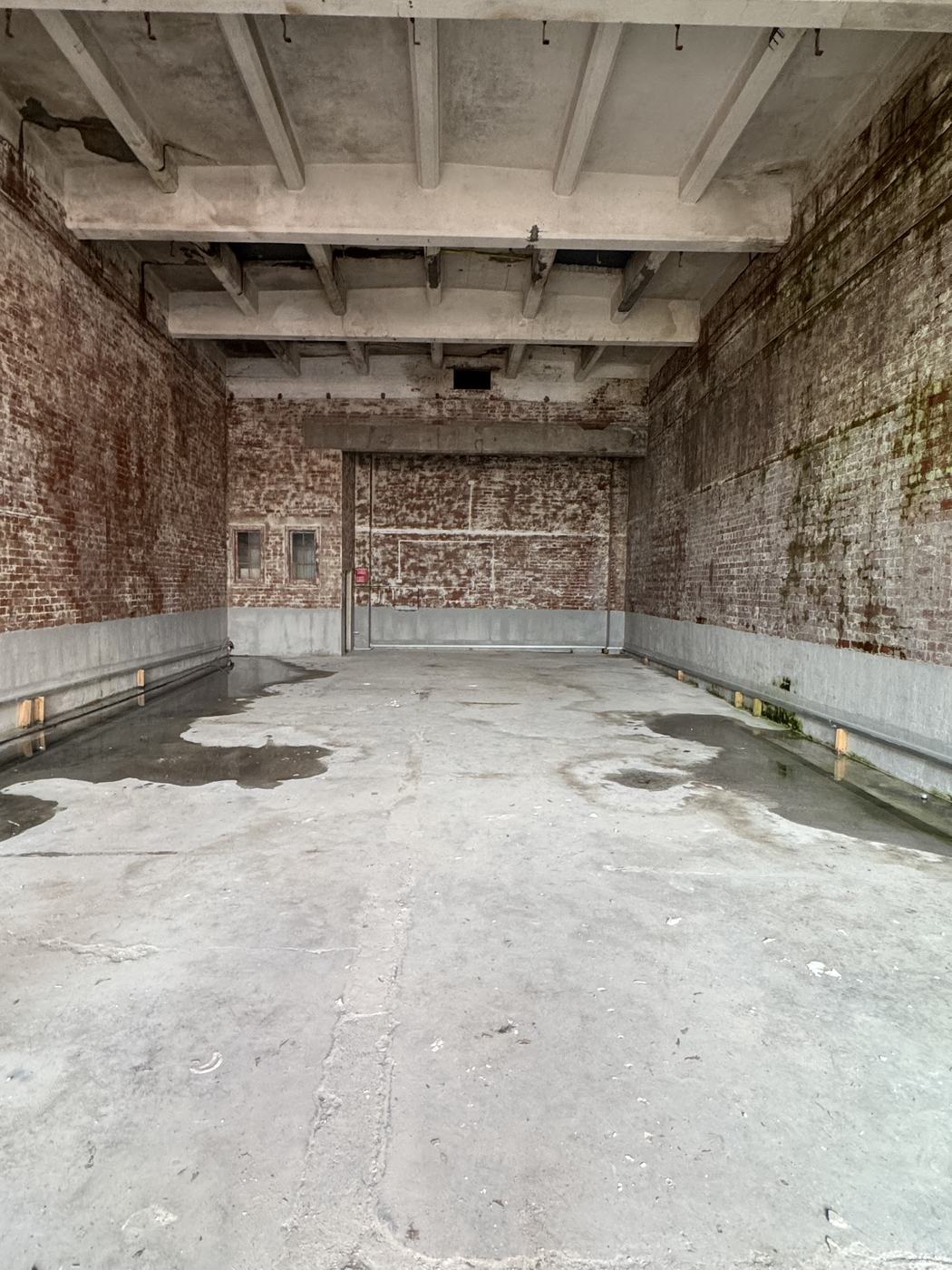
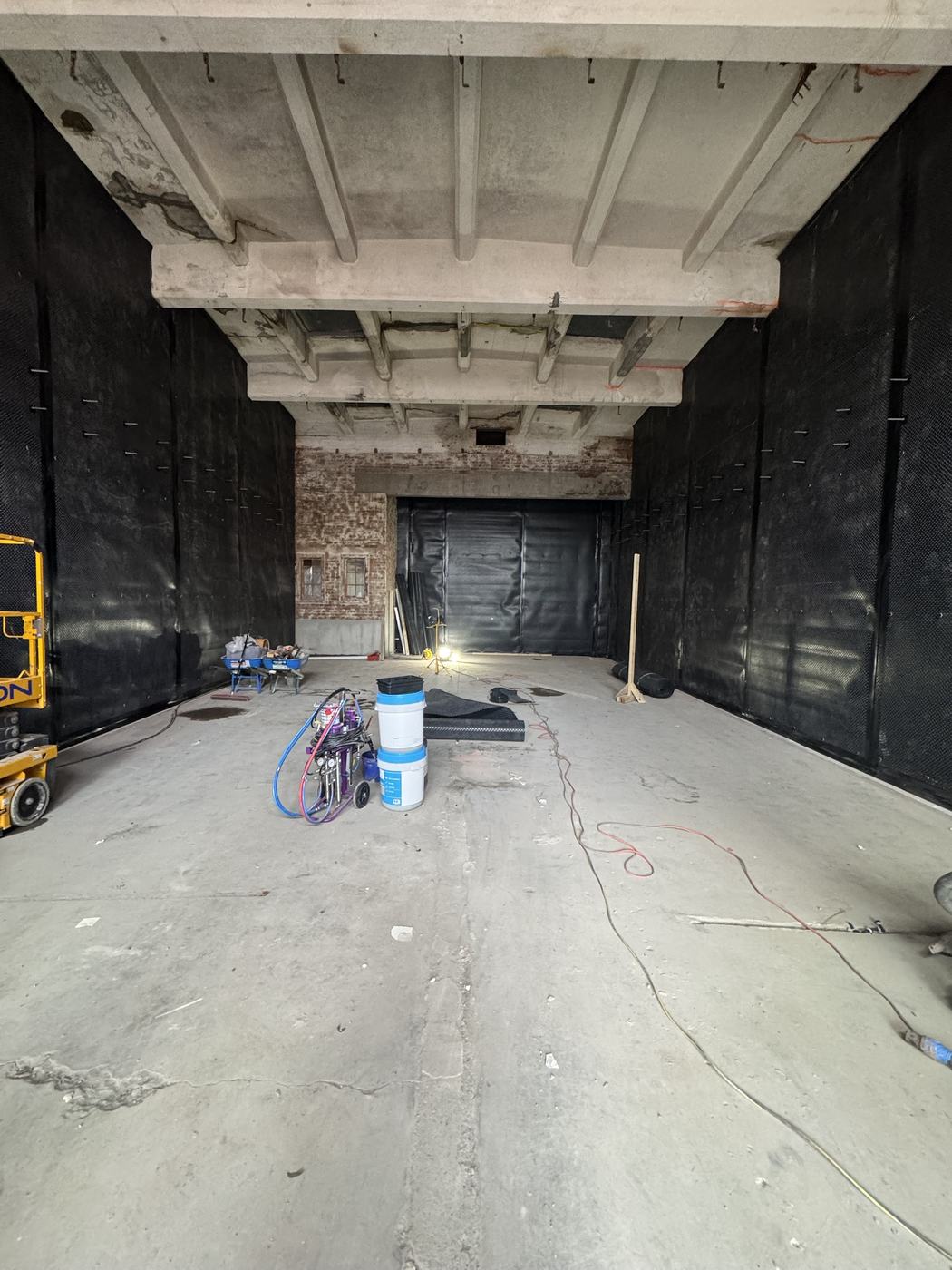
We specified a Newton cavity drain system — Type C drained protection — to roughly 300 m² of wall, full height. The cracks in the ceiling were a separate problem, sealed with acrylic resin using our specialised leak-injection work. The program was the hard part: the whole system had to be in before the roof went on, and we overcame supply-chain challenges to hold our completion date. It has performed as designed since completion, and it carries a warranty.
Tell us what’s leaking and we’ll come and look at it — at no charge. You get the written diagnosis and method statement whether you use us or not.
Or call 0449 997 094 · text us a photo of it
Costs vary with the length of the crack, the volume of water and how hard the area is to get to. Our minimum charge is $3,500. You get a fixed price in writing before anything starts — no variations once we’re on site.
Keelson is run by Sean Meaney — 20+ years in construction, specialising in below-ground waterproofing and leak injection, with a Diploma of Building and Construction. Previously warranty and customer care manager at a Tier 1 residential builder, so the defect list and the handover deadline are familiar territory.
No. Injection is done from the inside face, where the leak shows. Nothing above or outside gets disturbed — which is the point when the building is finished or close to it.
Resin injection seals the water path through the full thickness of the element, not just the surface. Done properly at the right crack it is a permanent repair, and we warrant our work.
Yes. Occupied carparks, operating buildings and active sites are normal for us. We work around trading hours and traffic where we need to.
A written diagnosis of the cause, a method statement, a fixed price scope, and a close-out pack with photos and product data — the documentation a superintendent will actually accept.
Send us what's leaking and we'll come and look at it.